Privacy
Are online PDF tools safe? Upload-based vs offline, explained
· · 5 min read · By Zenvoq Labs
Verdict: Safe enough for a menu; use local processing for anything with your name and number on it.
What “upload” actually means
When you use a typical online PDF tool, your file is transmitted to the provider's servers, processed there, and a result link is returned. Providers commonly state that files are deleted after a short period. During that window, however, a copy exists outside your control.
Three practical risks
Retention: a deletion policy is a promise, not a guarantee you can verify. Exposure: any server holding documents is a target. Interception: on poor or public networks, uploads travel further and through more hops than a local action ever would.
A better default: process locally
Modern browsers can read, render and rebuild PDFs without any server. FramePDF's web tools use this approach (pdf.js and pdf-lib), and the Android app does the same on-device. The practical consequence is simple: no upload step, no copy, nothing to delete.
You can check this yourself: open your browser's network tab while using a local tool. You won't see your file leave.
A quick rule of thumb
Public brochure or menu? Any tool is fine. Anything with your name, number, signature or financial details? Use a tool that processes it locally.
Choose FramePDF if…
- You handle IDs, certificates or statements.
- You want to verify privacy claims yourself.
- You prefer tools that work with no account.
Try FramePDF free on Android
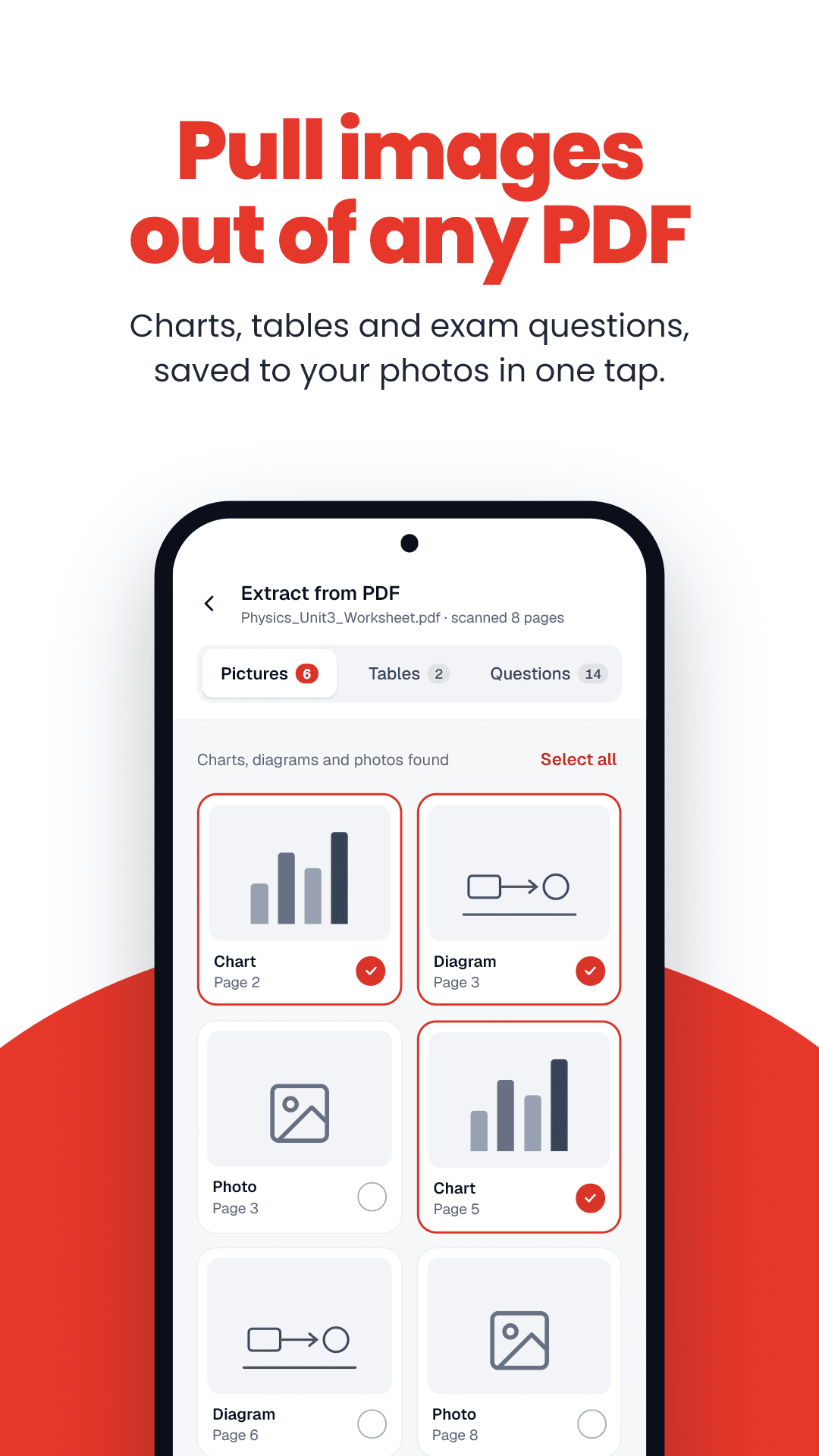
Extract pictures and tables, reorder and combine pages, make PDFs smaller and export to Word, JPG or ZIP — offline, no account, nothing uploaded.
- Free, no sign-up
- Works with no internet
- Your files never leave your phone